
Key Takeaways
Grand Rapids is attractive to investors due to its diverse job market, growing population, and strong rental demand.
Neighborhood research is essential, as factors like proximity to employers, schools, transportation, and development trends can impact rental demand and property value.
Choosing the right type of property matters, with options like single-family homes, condos, and multi-family units offering different benefits depending on an investor's goals and budget.
Successful investing requires long-term planning, including understanding expenses, local landlord laws, and possibly working with a property management company.
As one of Michigan’s most active housing markets, Grand Rapids appeals to both first-time investors and experienced property owners seeking stable rental income and strong tenant demand.
For those considering an investment property in Grand Rapids, success starts with understanding the local market, choosing the right neighborhood, and building a strategy that supports long-term returns.
Whether you plan to buy a single rental home or expand an existing portfolio, careful planning can make a significant difference.
Freshstart Property Management has listed some of the most important tips to keep in mind when buying investment property in Grand Rapids, Michigan below.
Want More Information?
Understand Why Grand Rapids Appeals to Real Estate Investors
Grand Rapids benefits from a diverse employment base, including healthcare, education, manufacturing, and logistics, which helps create a consistent pool of renters.
Young professionals, families, and students all contribute to demand in different parts of the city, making Grand Rapids a flexible market for rental property owners.
Another factor that attracts investors is that Grand Rapids often offers more accessible entry points than many larger metropolitan markets, while still providing strong appreciation potential over time.
Study Local Neighborhoods Before You Buy
Some areas of Grand Rapids attract tenants because of walkability, local restaurants, and easy access to downtown. Other neighborhoods are more appealing to families because of schools, parks, and quieter residential streets.

When evaluating neighborhoods, investors should look at:
Proximity to major employers.
Access to public transportation and highways.
Nearby schools and universities.
Retail and dining options.
Overall neighborhood development trends.
Areas experiencing ongoing development or revitalization often offer strong long-term opportunities because they may continue to grow in popularity with renters and future buyers.
Understanding neighborhood trends before purchasing can help investors choose a property with stronger occupancy potential and future value.
Ready to Know More About Your Property?
Book a Free Property Consultation!
Evaluate Rental Demand Carefully
A growing workforce, local colleges, and a steady stream of new residents all contribute to a healthy rental market.
However, rental demand can vary depending on property type and location. A downtown apartment may appeal to professionals who prioritize convenience, while a single-family home in a residential neighborhood may attract long-term tenants looking for more space.
Before purchasing, investors should consider:
What type of tenant the property is likely to attract.
How similar rental properties are performing nearby.
Whether the neighborhood experiences strong year-round demand.
How long comparable rentals stay vacant.
A property that aligns with tenant demand in its area is more likely to generate consistent rental income.
Choose the Right Type of Investment Property
Single-family homes often attract longer-term tenants and can be appealing for investors seeking lower turnover.
Condos and townhomes may appeal to investors looking for lower exterior maintenance responsibilities, though association rules should always be reviewed carefully.
Multi-family properties can offer multiple income streams and may help reduce vacancy risk because income is spread across more than one unit.
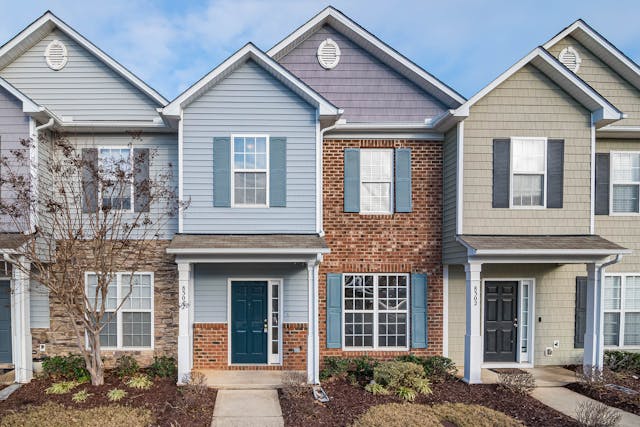
The right choice depends on your investment goals, available budget, and how involved you want to be in day-to-day property management.
Think Beyond Immediate Cash Flow
Grand Rapids continues to benefit from ongoing development, business expansion, and neighborhood improvement projects that can support property value growth over time.
Investors should look for signs that an area may continue to strengthen, such as:
New commercial development.
Infrastructure improvements.
Growing retail activity.
Expanding residential demand.
A property in a neighborhood with long-term growth potential may offer greater overall returns even if immediate rental income is not the highest available.
Want to Know More About Us?
Understand Property Expenses Before Purchasing
A common mistake among new investors is focusing heavily on purchase price while underestimating ownership costs.
In addition to mortgage payments, rental property ownership typically includes:
Maintenance and repairs.
Property taxes.
Insurance.
Seasonal upkeep.
Vacancy periods.
Potential upgrades between tenants.
Unexpected repairs and turnover costs can affect profitability if they are not planned for in advance.
Investors should also consider the age and condition of major systems such as roofing, plumbing, heating, and electrical components before making a purchase.
A thorough inspection before closing can help identify potential expenses early.
Learn Local Landlord Responsibilities
Michigan landlords must comply with state and local requirements related to rental property operation. Understanding these responsibilities before purchasing can help avoid legal and financial problems later.

Important areas to review include:
Lease requirements.
Security deposit rules.
Property maintenance obligations.
Inspection standards.
Tenant communication procedures.
Being prepared from the beginning helps investors create a smoother rental experience and reduce future risk.
Work With a Professional Property Management Team
Even experienced investors often benefit from professional property management, especially when managing multiple properties or investing from outside the area.
A local property management company can assist with:
Marketing rental properties.
Screening tenants.
Lease administration.
Rent collection.
Maintenance coordination.
Routine inspections.
Professional support can help investors protect property value while reducing daily management responsibilities.
This is especially valuable in a market like Grand Rapids, where tenant expectations and neighborhood trends can shift depending on location.
Build a Long-Term Investment Strategy
The most successful investors usually approach each purchase as part of a broader long-term plan rather than a single transaction.
Before buying, ask:
Does this property fit your long-term goals?
Will it remain attractive to renters over time?
Is the location likely to stay desirable?
Can the property support future improvements if needed?
Thinking strategically helps investors avoid short-term decisions that may limit future returns.
Ready to Get Started?
Final Thoughts
At Fresh Start Property Management, we help property owners and investors throughout Grand Rapids navigate the rental market with confidence.
Our team supports investors through:
Full-service property management.
Tenant placement and screening.
Lease administration.
Maintenance coordination.
Local rental market insight.
Whether you are buying your first rental property or expanding your investment portfolio, having experienced local support can help you make better decisions and protect your investment.
Contact Fresh Start Property Management today to learn how professional management can support your Grand Rapids investment goals.